Asthma Ayurvedic Treatment in Delhi for Better Breathing
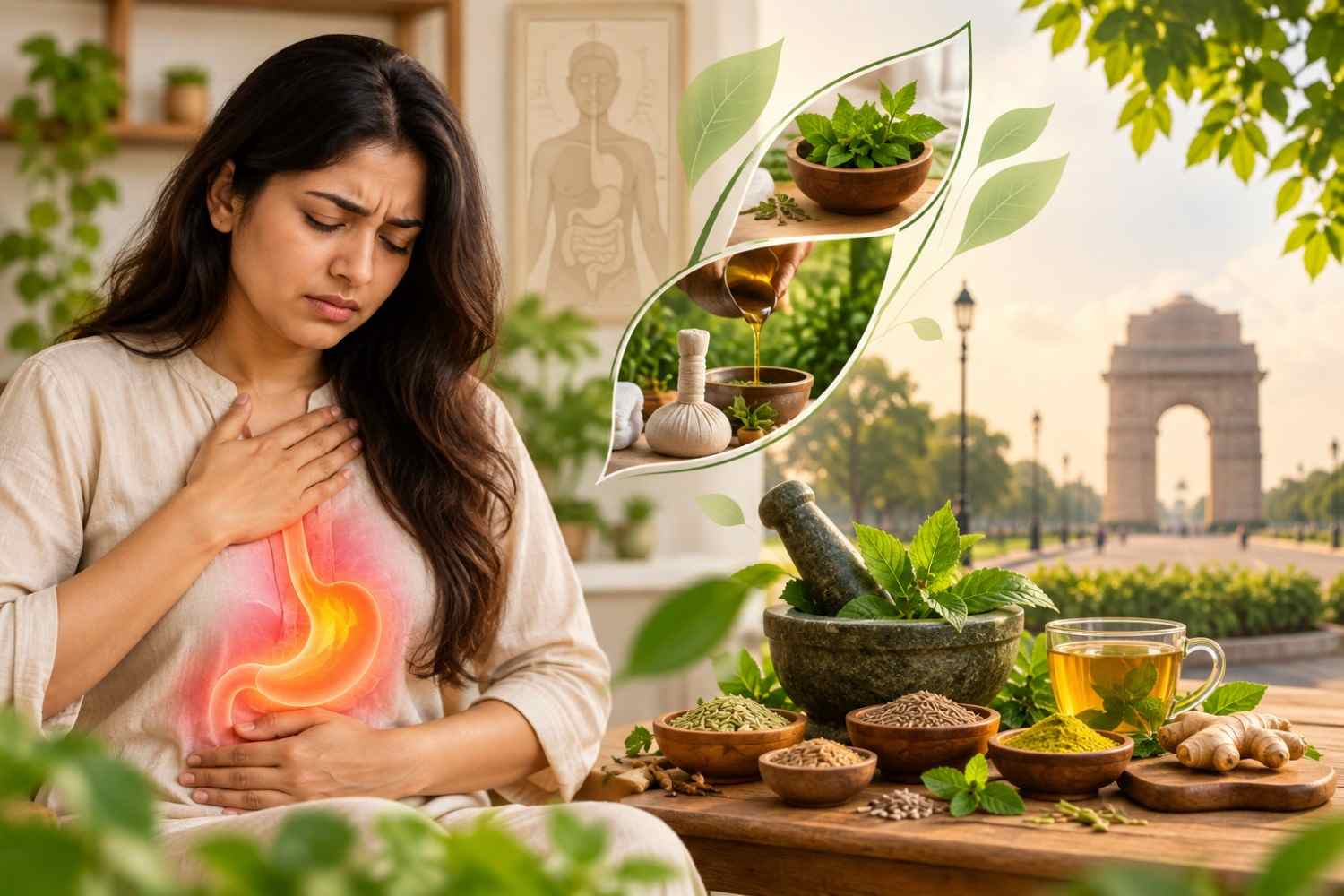
Asthma is a form of irreversible respiratory illness that induces symptoms of wheezing, coughing, chest tightness and difficulty in breathing. Triggers might include changes in weather, dust, pollution, or allergens; respiratory infections; physical exertion and stress. In Ayurveda, this approach is called holistic based on an individual constitution (Prakriti) — and lifestyle (Ahar and Vihar) / digestion (Agni) or often we come up with triggers, like lung health. Asthmatic Ayurvedic Treatment in Delhi may include an individualised wellness plan that consists of personalized Ayurvedic consultation, dietary guidance, lifestyle management, practices related to breathing (pranayam), herbal preparations and traditional treatments tailored according to the condition.
Understanding Asthma Through Ayurveda
In Ayurveda, respiratory health is viewed through the lens of Vata and Kapha balanced with digestive function when the body as a whole is in balance. Ayurveda views excess mucus, digestive dysfunction, environmental exposure and an irregular lifestyle as significant causes of respiratory discomfort. So treatment is tailored, not uniform across the board. Before suggesting an appropriate method, the practitioner might review symptoms, daily routine, food habits, sleep & stress information from day to night changes in seasons and previous health history.
Common Symptoms of Asthma
Asthma symptoms differ for each person and can be triggered more intermittently or regularly, depending on WHO the trigger you are reactive to is. Shortness of breath, wheezing(whistle like sound), cough(chronic), chest tightness and breathing difficulties especially in some activities or during nighttime are common features. Symptoms occur after exposure to dust, smoke, pollen, cold air or other environmental factors in some individuals. What is key here is knowing your own triggers, it plays an important role in maintaining respiratory health.
What Can Trigger Breathing Problems?
There are several environmental and lifestyle factors that may affect respiratory symptoms. Dust, season changes, pollen and time, smoke from industry and laboratory equipment and toxic materials, strong fragrance exposure in evvironment or at workplaces may also be applicable to some people for Delhi quality air. Stress and inadequate sleep might contribute to overall health as well as result in exhaustion, making following a healthy routine increasingly difficult. Understanding the triggers within us allows us to consider concrete ways of mitigating needless exposure.
Role of an Ayurvedic Consultation
A personal consultee will enable the healthcare specialists to know more about the symptoms and lifestyle of the individual patiently. Before developing a wellness plan, an Ayurvedic Doctor Near Kalkaji may also analyze the body with regard to respiratory complaints and incorporate these factors into their recommendation: dietary patterns, digestion, sleep, stress involved in environmental exposure or treatment history. Respiratory symptoms can have a multitude of causes subsequently, this approach is pertinent as one must be assessed appropriately by professionals before initiating any herbal preparation or traditional therapy.
How Ayurveda Approaches Respiratory Wellness
Evidence Based Ayurvedic care: caters to contemporary in nature but clearly has an evidence based approach of balancing the body with customized lifestyle recommendation, food intake, herbal formulations, pratyaahaar (breathing practices) and selective therapeutic devices. An experienced Best Ayurvedic Doctor in Kalkaji can ascertain what traditional methods are applicable as per health methods and condition of the person. Residents are meant to support the welfare of your respiratory system, while motivating healthy customs within every day life and remove contributing stressors to discomfort.
Importance of Herbal Support
Ayurvedic herbal preparations have been traditionally used as supportive therapies for respiratory and airway health. Traditional use: Ingredients such as Tulsi, Ginger, Turmeric, Vasaka, Licorice and Pippali are well–known traditional respiratory-care products. However, the right herb, formulation, dose and duration is highly individualized. Herbal preparations for respiratory problems can also interact with medicines or not be suitable for everyone, so always seek professional help.
Panchakarma and Respiratory Wellness
Panchakarma is a set of specific procedures that are chosen based on a person's health state and what is suitable for him/her in Ayurveda. Do NOT consider this a universal detox programme. Before suggesting any procedure a good panchkarma clinic in kalkaji will first evaluate the person holistically. Traditional therapies may be included as part of a multidisciplinary wellness program that expands on nutrition, lifestyle modifications, and other nontraditional practices when appropriate.
Diet and Asthma Wellness
The right diet helps to manage one’s overall health and provides enough nutrients to maintain the normal body processes. Eating at regular intervals, drinking enough water, consuming fresh foods, seasonal products & right portion can make you have a better routine. Some people find that some foods or types of eating make a difference to their symptoms or general comfort. Keeping a food and symptom diary can reveal individual trends that can then be taken to a qualified health practitioner.
Breathing Exercises and Yoga
Practices designed around breathing, movement, and yoga continue to facilitate relaxation, flexibility, body awareness and stress management. Gentle ways of preventing these things may be including in a wellness routine whenever it is appropriate for the person's condition. But breathing exercises are not an alternative to prescribed medicines for asthma or emergency care. Asthmatics who are concerned about safety in any new exercise or breathing routine should keep following their health care professional treatment plan.
Managing Asthma in Delhi's Environment
An urban background means that you have another respiratory challenge due to dust, traffic pollution, construction works, seasonal atmospheric changes and indoor air pollutants. Practical approaches such as preventing and controlling allergen exposure in the home, reducing second-hand smoke, and making informed decisions regarding outdoor activities based on local air-quality data may be helpful for those with asthma. These daily precautions can form the basis of a supervised respiratory-care program.
Why Personalised Care Matters
Not every person with asthma has the same experience with it. The overall experience can vary depending on age, severity of symptoms, allergies, environmental exposure, lifestyle habits like physical activity and sleep and other health conditions. Hence, a Best Ayurvedic Clinic In Kalkaji should rely on personalized examination rather than providing the same treatment to all. Also, keeping the lines of communication open regarding existing medicines, allergies, previous diagnoses and current symptoms need to be made as clearly as possible for receiving safer and more suitable care.
Ayurveda Alongside Modern Asthma Management
Homeopathic treatment should be viewed as adjunct wellness facilitation, whilst asthma requires appropriate medical management. Do not stop or reduce dose inhalers and other medications that have been prescribed by the treating healthcare professional. Those who want to use Ayurvedic treatment should let their Ayurvedic practitioner and medical doctor know about any medicines, supplements or other treatments one is taking. It reduces the risk of an unwanted interaction or a delay in needed treatment through coordinated care.
When to See a Doctor Immediately?
Urgent medical attention may be needed for severe breathing difficulty, rapidly worsening symptoms, not being able to speak comfortably because of breathlessness, bluish lips or face, confusion and symptoms that do not improve with the person's prescribed rescue treatment. Since asthmatic attacks can be dangerous, people ought to listen and obey their personal asthma action plan additionally as accept emergency care once instructed. Emergency treatments should never be held up by traditional wellness therapies.
Can Ayurveda cure asthma permanently?
Asthma is a major, chronic asthma illness and no one solution works for everyone for all time. Ayurveda approaches may not label the Ayurveda treatment as a medicine contribution, it could be only considered as a supportive care system but medical monitoring and management for asthma should be carried.
Ayurvedic medicinal herbs and chronic asthma medications
Certain herbs and supplements may affect how medications work, or may not be safe to use with certain health conditions. All people thinking about herbal preparations must speak to professional healthcare experts before use.
Is Panchakarma suitable for asthma?
Suitability is determined by the patient's health, symptoms, medical history and general condition. Ideally, any traditional procedure must be suggested just after the requisite methodological evaluation.
How can I promote my outside for my breathing health?
In general, steering clear of triggers that you know cause your asthma symptoms; managing a healthy weight (with little carrying excess body fat); keeping active (if applicable), sleeping well; staying away from uncontrolled stressors in your life; avoiding tobacco smoke, and sticking to treatment directions can help keep your lungs healthy.
Conclusion
Asthma briefly must entail awareness of what triggers and/or aggravates asthma, continuous medical treatment or management of asthma, lifestyle and harmful habits, and professional advice. Ayurveda provides a time-honoured holistic meta-framework that encompasses diet, lifestyle, digestion patterns, stress & breathing practices and individual constitution as an integral part of health. Traditional Ayurvedic care may serve as a supportive role to the management of respiratory health when utilized appropriately and alongside appropriate medical approaches. Individuals with alarming or chronic respiratory symptoms should be evaluated by a healthcare professional rather than attempting treatments at home or through alternative medicine.